Why Regular Roof Inspection Helps Prevent Costly Repairs
Regular roof inspections by local contractors help identify small issues early, preventing costly repairs and ensuring your roof stays in top condition.
Regular roof inspections are a practical way for property owners to stay ahead of potential issues that could lead to costly repairs. Over time, even minor damage caused by weather, debris, or aging materials can develop into significant problems if left unnoticed. By scheduling routine inspections with trusted local contractors, homeowners and business owners can catch early signs of wear and tear before they escalate, saving money and reducing the risk of unexpected breakdowns. Staying proactive with roof maintenance ensures the structure remains sound, protecting the property’s value and avoiding expensive emergency repairs.
For those in the area, understanding the importance of regular roof inspections highlights the value of working with experienced service providers who specialize in identifying hidden issues. Local contractors can thoroughly assess the condition of a roof, pinpoint vulnerabilities, and recommend timely repairs or maintenance. This preventative approach not only helps extend the lifespan of the roof but also provides peace of mind knowing that minor problems are addressed before they turn into major, costly repairs. Exploring this topic can help property owners make informed decisions about maintaining their roofs effectively.
- Routine roof inspections are recommended when homeowners notice signs of wear or after severe weather, with local contractors thoroughly assessing for damage and potential issues.
- Emergency roof assessments may be needed following storms or hail events, where service providers quickly identify vulnerabilities to prevent further damage.
- Pre-sale roof inspections are often performed to ensure the roof is in good condition, with local pros providing detailed evaluations to avoid costly repairs later.
- Maintenance inspections help detect early signs of deterioration, allowing local contractors to address minor problems before they escalate into expensive repairs.
- Leak detection inspections are essential when leaks are suspected, with service providers pinpointing sources and recommending repairs to prevent structural damage.
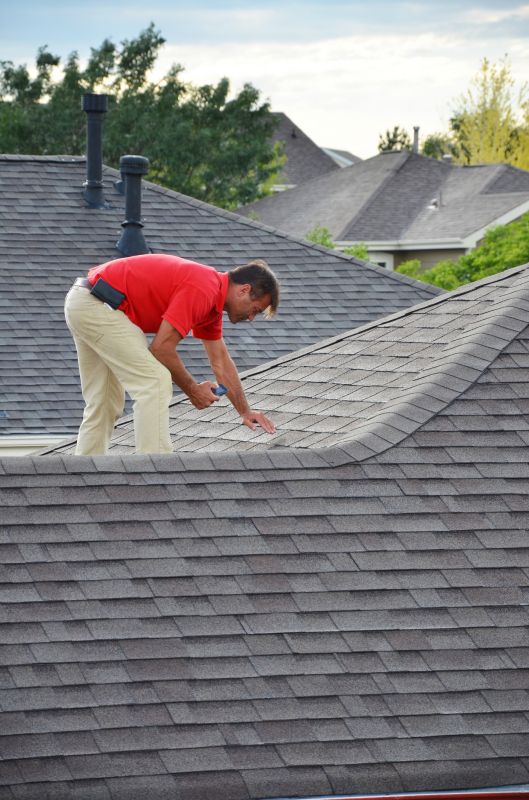
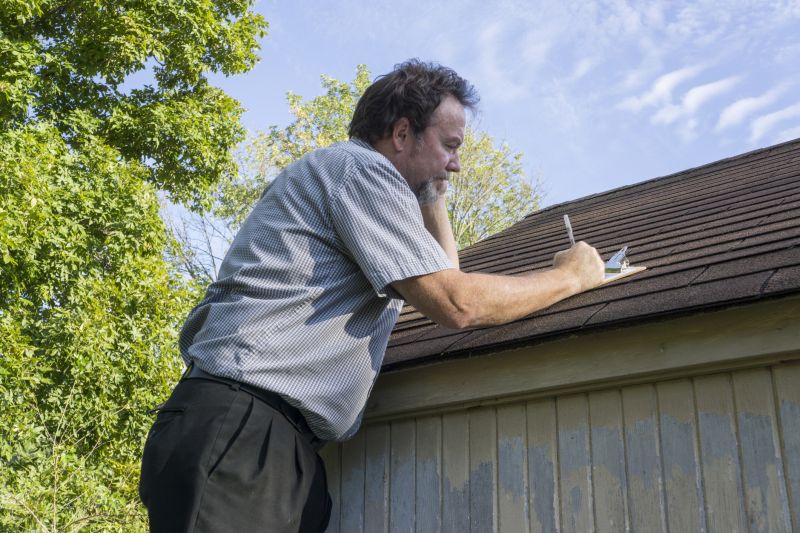
When homeowners search for why regular roof inspection helps prevent costly repairs, they are often looking for ways to protect their property and avoid unexpected expenses. Many are concerned about the potential for hidden damage that can develop over time, especially in regions prone to severe weather or with older roofs. They understand that small issues, if left unnoticed, can escalate into major problems that require extensive repairs or even roof replacement. The goal is to identify issues early-such as leaks, damaged shingles, or structural weaknesses-before they cause significant damage to the home’s interior or compromise the roof’s integrity. Regular inspections serve as a proactive approach to maintaining the roof’s condition and catching problems before they become costly emergencies.
This topic relates closely to common roofing problems and maintenance plans. For example, homeowners may notice signs like missing or curling shingles, granule loss, or water stains on ceilings-indicators that a roof might be compromised. Many plans involve routine inspections as a preventative measure, helping to spot issues like damaged flashing, clogged gutters, or deteriorated seals. These inspections are also useful for planning repairs and ensuring that the roof remains in good condition over time. For property owners managing multiple buildings or residential complexes, regular inspections can be part of a broader maintenance schedule designed to extend the lifespan of the roof and reduce the likelihood of unexpected failures that disrupt daily life or business operations.
The types of properties that typically come up when discussing why regular roof inspection helps prevent costly repairs include residential homes, especially those with aging roofs or in areas with harsh weather. Single-family houses, townhomes, and multi-unit apartment buildings are common examples. Commercial properties like retail stores, office buildings, and warehouses also benefit from routine inspections to prevent business interruptions caused by roof leaks or structural damage. Regardless of property type, the focus remains on early detection of issues that could lead to water intrusion, mold growth, or structural deterioration. Local service providers who specialize in roof inspections understand the unique needs of different property types and can tailor their assessments accordingly to help property owners stay ahead of costly repairs.
In the context of connecting with local contractors, homeowners and property managers should consider how these professionals fit into the process of preventing expensive repairs. Skilled roof inspectors can identify problems that are not immediately visible from the ground, such as hidden damage or areas vulnerable to future issues. They assess the condition of roofing materials, flashing, vents, and other critical components, providing valuable insights into the roof’s overall health. By scheduling regular inspections with experienced service providers, property owners can develop a maintenance plan that emphasizes early intervention and cost-effective repairs. This proactive approach helps preserve the roof’s lifespan, minimizes the risk of unexpected breakdowns, and ultimately offers peace of mind that the property is protected against costly damage.
Gutter and fascia repair - these projects require careful inspection and planning similar to roof assessments to identify potential issues before they cause damage.
Attic insulation installation - proper insulation planning benefits from understanding roof conditions to prevent moisture buildup and related repairs.
Chimney and vent flashing replacement - ensuring these components are properly sealed involves skills comparable to those used in roof inspections to detect leaks early.
Roof ventilation system upgrades - assessing ventilation needs relies on thorough roof evaluations to improve airflow and prevent costly damage.
Skylight installation and repair - installing or fixing skylights requires precise planning and inspection to avoid future leaks and structural issues.
Siding and exterior wall repairs - these projects often involve inspecting the roof and walls together to ensure overall building integrity and prevent costly repairs.
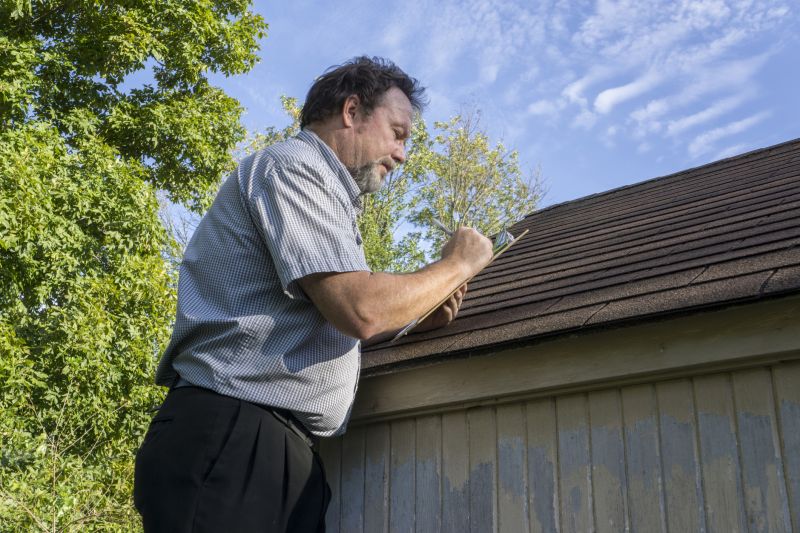
When comparing service providers for roof inspection services, it’s important to consider their experience with similar projects. Homeowners should look for contractors who have a proven track record of inspecting roofs similar in size, style, and material to their own. An experienced local contractor will be familiar with common issues that affect the area’s climate and roofing types, helping to identify potential problems before they develop into costly repairs. Verifying the background of a contractor through reputable references or reviews can provide insight into their familiarity with different roofing systems and their ability to deliver thorough inspections that meet homeowners’ expectations.
Clear written expectations are essential when evaluating roof inspection services. Homeowners should seek providers who can articulate what the inspection will cover, including specific areas of concern and any follow-up recommendations. This clarity helps ensure that both parties are aligned on the scope of work and prevents misunderstandings that could lead to overlooked issues or unnecessary additional costs. Good communication from the service provider also includes responsiveness to questions and the ability to explain findings in understandable terms, empowering homeowners to make informed decisions about their roof’s maintenance and repairs.
Reputable references and a history of good communication are key factors when choosing a local contractor for roof inspections. Homeowners can ask for references or seek out reviews to confirm the provider’s reliability and professionalism. A contractor who maintains open lines of communication and responds promptly to inquiries demonstrates a commitment to customer service and transparency. This level of engagement can make the inspection process smoother and more informative, helping homeowners understand the importance of regular inspections in preventing costly repairs by catching issues early and maintaining the roof’s integrity over time.
Property owners often search for why regular roof inspection helps prevent costly repairs when they are planning practical projects around their homes and businesses. Local pros provide Roof Inspection services for everyday jobs and straightforward project options.
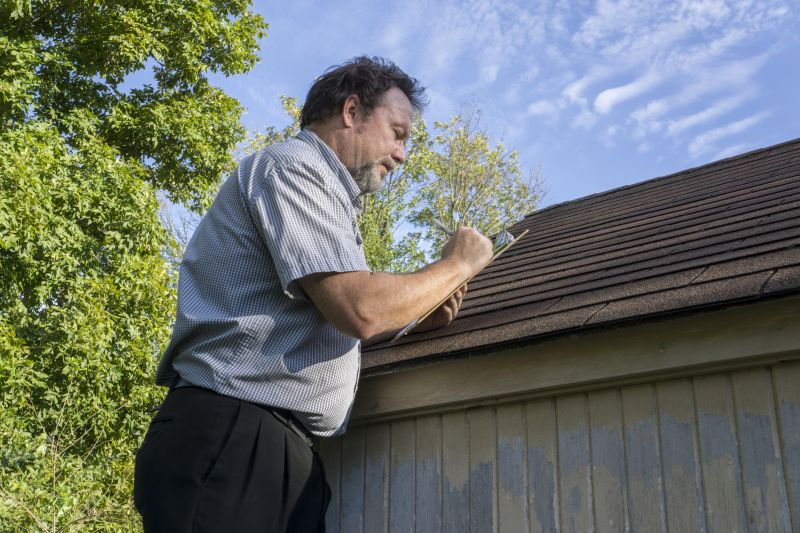
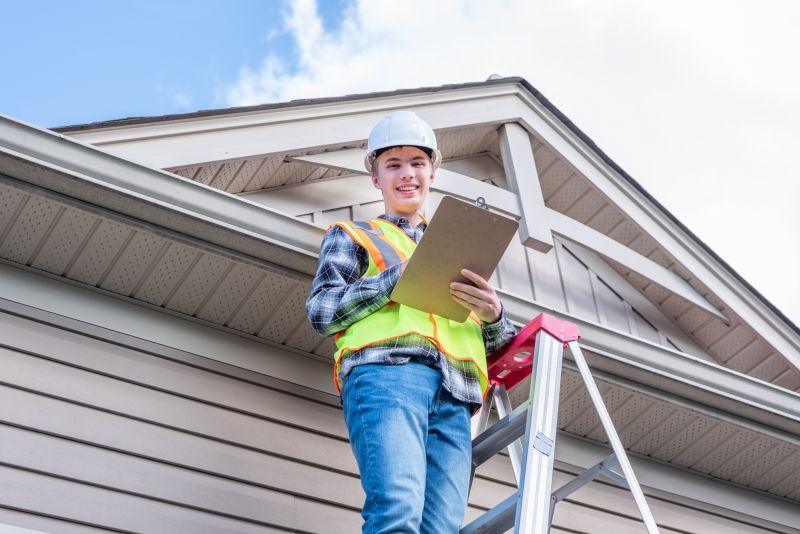
Regular roof inspections are a practical way for property owners to catch minor issues before they develop into major problems. For homeowners and business owners alike, staying on top of the roof’s condition can prevent leaks, water damage, and structural deterioration that often lead to costly repairs. Many local contractors offer inspection services that help identify potential trouble spots, such as damaged shingles, weakened flashing, or clogged gutters, allowing property owners to address issues early and maintain the integrity of their roofs.
In everyday situations, routine roof inspections can be especially valuable after severe weather events or seasonal changes, when damage might not be immediately visible. Engaging with experienced service providers ensures that a professional eye assesses the roof’s overall health, providing peace of mind and helping to avoid unexpected expenses down the line. Property owners looking to protect their investments often find that regular inspections from local contractors are an effective step toward maintaining a durable, reliable roof.
Why is regular roof inspection important for preventing costly repairs? Regular roof inspections help identify minor issues early before they develop into major problems, saving homeowners from expensive repairs down the line. Local contractors can spot and address potential damage that might not be visible to the untrained eye.
How can roof inspections help detect hidden damage? Roof inspections by experienced service providers can reveal hidden damage such as leaks, rot, or structural weaknesses that are not immediately apparent, allowing for timely repairs that prevent further deterioration.
What role do roof inspections play in maintaining roof longevity? Routine inspections ensure that small issues are addressed promptly, which extends the overall lifespan of the roof and reduces the likelihood of costly replacements or extensive repairs in the future.
Can regular inspections prevent emergency roof repairs? Yes, regular inspections enable local contractors to identify and fix minor problems early, reducing the chances of sudden failures that often require urgent and costly repairs.
Why should homeowners rely on local service providers for roof inspections? Local contractors understand the specific weather and environmental factors affecting roofs in the area, making them well-equipped to perform thorough inspections that help prevent costly repairs.
Early detection of damage - regular roof inspections allow property owners to identify small issues before they become costly repairs, helping to maintain roof integrity.
Preventing leak development - routine inspections can spot potential leak sources, enabling timely repairs to avoid water damage inside the building.
Extending roof lifespan - working with local contractors for periodic inspections can help prolong the roof’s durability by addressing minor problems early.
Reducing emergency repairs - scheduled roof assessments help property owners avoid unexpected breakdowns that often lead to expensive emergency fixes.
If you are thinking about why regular roof inspection helps prevent costly repairs for a property, this guide is meant to help you understand this topic, the typical project types, and how different options might fit your plans.
When you are ready, you can use the quote form on this page to share a few details about your project. From there, local pros can review the basics and follow up with options that match what you have in mind.